

Does Green Tea Stain Your Teeth? Tea Lover’s Guide
Green tea is celebrated as one of the healthiest beverages on the planet, but if you’re drinking it regularly, you need to know what it’s doing to your teeth. The answer might surprise you – green tea does stain teeth, but not in the way you’d expect.
The short answer: yes, green tea stains teeth
Green tea does cause tooth discolouration, though the staining is typically more subtle than what you’d get from coffee or black tea.
Unlike the dark brown or yellow stains associated with coffee, green tea leaves a distinctive, greyish, dull film that gradually diminishes your teeth’s natural brightness.
For occasional drinkers, this isn’t a major concern. But if you’re sipping multiple cups daily – as many health-conscious people do – those grey stains can accumulate over time, creating a noticeably less vibrant smile.
Why does green tea stain?
Green tea contains several compounds that contribute to tooth discolouration. Understanding these helps you take effective preventive action.
Tannins
The main staining agent in green tea is tannins – plant-based compounds that give tea its slightly bitter, astringent taste. Here’s how they work:
- Tannins bind to the pellicle, a thin protein film that naturally coats your tooth enamel.
- Once attached, they attract chromogens – pigmented molecules that darken the tooth surface.
- Over time, this creates the characteristic greyish discolouration associated with green tea.
Whilst green tea contains fewer tannins than black tea, coffee, or red wine, regular exposure still allows these compounds to accumulate and create visible staining.
Natural pigments
Beyond tannins, green tea contains plant-based pigments that can gradually deposit on tooth enamel. These pigments are particularly problematic if you sip tea throughout the day rather than drinking it in one sitting, as this creates continuous exposure.
Mild acidity
Green tea is less acidic than many other beverages, with a pH ranging from 7-10 (relatively neutral to slightly alkaline). However, some varieties can be mildly acidic, which temporarily softens enamel and makes it more porous.
When enamel is porous, it more readily absorbs pigments from food and drinks. This is why the timing of when you brush after drinking tea matters – brushing immediately can damage temporarily softened enamel.

Green tea vs other drinks: how does it compare?
If you’re trying to minimise staining whilst still enjoying hot beverages, it helps to understand where green tea sits on the staining spectrum.
Green tea vs black tea
Black tea is significantly worse for staining. It contains higher tannin levels and produces deep yellow-brown stains rather than green tea’s subtler grey discolouration. If you’re currently drinking black tea and concerned about staining, switching to green tea is a step in the right direction.
Green tea vs coffee
This comparison is interesting. Coffee contains higher levels of tannins and dark chromogens that create noticeable brown stains quickly. However, some research suggests that the type of tannins in green tea may actually have greater binding potential to tooth enamel, even though the resulting stains are less immediately visible.
The verdict? Coffee creates darker, more obvious stains faster. Green tea creates subtler grey stains that accumulate more gradually. Both will affect your smile with regular consumption.
Green tea vs white tea
If you want to minimise staining whilst still enjoying tea, white tea is your best option. Made from young tea leaves and buds, it contains the lowest tannin content of all true teas and produces the lightest, least noticeable stains.
Green tea vs herbal teas
Most herbal teas (chamomile, peppermint, rooibos) contain little to no tannins, making them safer choices for avoiding stains. However, darker herbal varieties like hibiscus or berry teas can still cause discolouration due to their natural pigments.
What about matcha? The concentrated green tea dilemma
Matcha deserves special mention because it’s become incredibly popular among health enthusiasts – and it’s particularly relevant to the staining question.
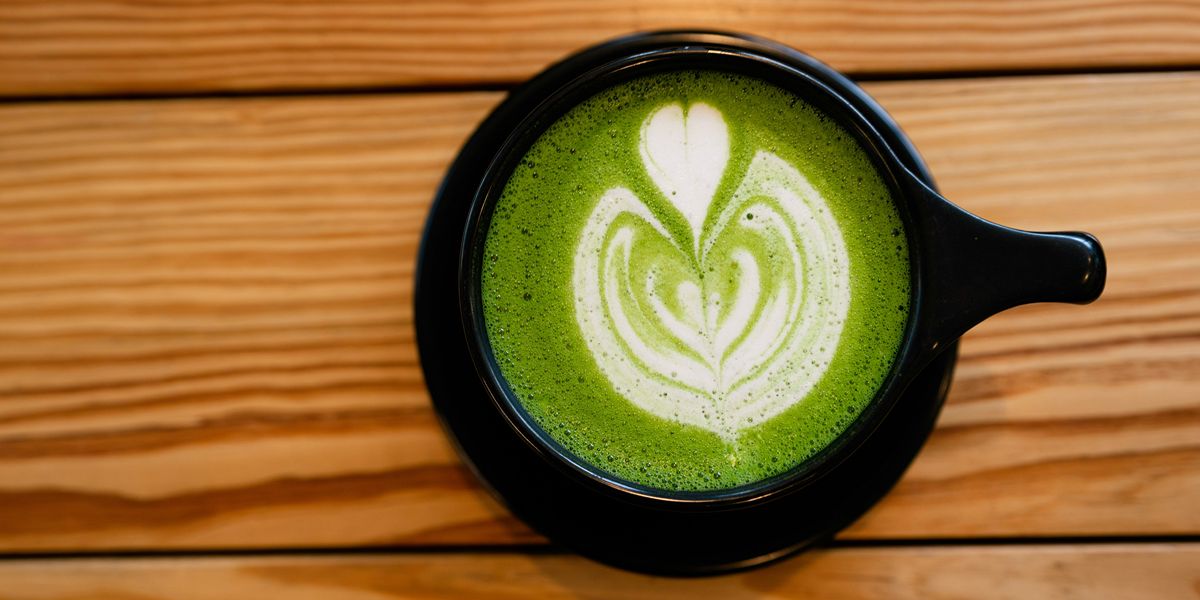
Matcha is made from ground whole tea leaves, making it a concentrated form of green tea. This concentration means:
- Higher tannin content: More staining compounds per serving than regular steeped green tea
- Vibrant green colour: The intense pigmentation can leave surface stains more readily
- Greater staining potential: Despite its health benefits, matcha is more likely to discolour teeth than traditional green tea
If you’re a matcha devotee, the prevention strategies below become even more important for protecting your smile.
How to enjoy green tea without the stains
You don’t need to give up green tea to maintain a bright smile. These practical strategies significantly reduce staining whilst preserving all the health benefits you’re after.
Rinse with water immediately after drinking
This is the simplest and most effective prevention method. Swishing plain water around your mouth after finishing your tea washes away tannins and pigments before they have time to bind to your enamel.
Make it a habit: tea, then water. This 10-second action dramatically reduces staining potential.
Use a straw for iced green tea
It might feel unusual, but using a straw (especially for cold green tea) minimises contact between the tea and your front teeth. The liquid bypasses the most visible surfaces, reducing staining on your smile line.
This works less well for hot tea—both for practical reasons and because the heat can actually increase tannin adhesion to enamel.
Wait before brushing
After drinking green tea, wait at least 30 minutes before brushing your teeth.
The mild acidity in tea temporarily softens your enamel. If you brush immediately, you risk damaging this softened surface, potentially creating more opportunities for future staining. Your saliva naturally neutralises the acidity and begins the remineralisation process within 30 minutes, after which it’s safe to brush.
Drink green tea in one sitting rather than sipping all day
Frequent sipping keeps your teeth continuously bathed in tannins, maximising staining potential. Instead, enjoy your tea in one sitting (or within 20-30 minutes), then rinse with water.
This reduces total exposure time and gives your teeth recovery periods between tea sessions.
Add milk to reduce staining
Milk contains casein, a protein that’s been proven to neutralise tannins and reduce their staining ability. Adding a splash of milk to your green tea (creating a “green tea latte” style drink) can significantly decrease discolouration.
This changes the flavour profile, so it’s not for everyone – but it’s remarkably effective at stain prevention.
Choose high-quality, lightly brewed green tea
Lower-quality green tea often contains higher tannin concentrations. Opt for high-quality varieties and steep for shorter periods (2-3 minutes rather than 5+) to reduce the tannin content in your cup.
Lighter brews contain fewer staining compounds whilst still delivering the antioxidants and flavour you enjoy.
Maintain excellent oral hygiene
This should go without saying, but consistent oral care is your first defence against any food or drink staining:
✓ Brush twice daily with fluoride toothpaste for two minutes
✓ Floss daily to remove particles between teeth
✓ Use mouthwash to rinse away residual tannins
✓ Visit your dental hygienist every six months for professional cleaning.
Professional cleanings remove surface stains before they become set-in discolouration, keeping your smile naturally brighter.
How to remove existing green tea stains
If you’re already seeing grey discolouration from years of green tea consumption, or if you simply want to reverse existing staining whilst continuing your tea habit, professional whitening offers the most effective solution.
Why professional whitening works for tea stains
Green tea stains are primarily extrinsic – meaning they affect the outer enamel surface rather than the inner tooth structure. This makes them highly responsive to professional whitening treatments.
Professional teeth whitening uses peroxide-based compounds that penetrate enamel and break down the chromogen molecules responsible for discolouration. The result? Those accumulated grey tea stains are eliminated, revealing your teeth’s natural white colour underneath.
The advantage of LED light-activated whitening
At Harley Teeth Whitening, our Blue Spectrum LED light technology accelerates the whitening process, delivering dramatic results in just 60 minutes. This means you can:
- Remove years of accumulated tea staining in a single appointment
- Achieve 6-8 shades whiter teeth
- Enjoy results that last 18-24 months
- Continue drinking green tea (with proper prevention strategies) without immediately re-staining.
Professional whitening essentially gives you a fresh start, removing existing discolouration whilst you implement prevention habits to maintain your new bright smile.
It is possible to continue enjoying green tea
Green tea does stain teeth, creating a characteristic greyish discolouration that accumulates with regular consumption. However, these stains are:
- Less severe than black tea, coffee, or red wine
- Preventable with simple daily habits
- Highly responsive to professional whitening treatments
- Not a reason to abandon a healthy beverage you enjoy
With the right prevention strategies and occasional professional whitening, you can absolutely continue your green tea habit whilst maintaining a bright, confident smile.
You might like this guide: 3 Most Common Types Of Tooth Stain.