

Can Teeth Whitening Damage The Natural Enamel Of My Teeth?
When performed correctly by qualified professionals, teeth whitening does not damage your enamel. Understanding why will give you complete confidence in your decision.
What is tooth enamel?
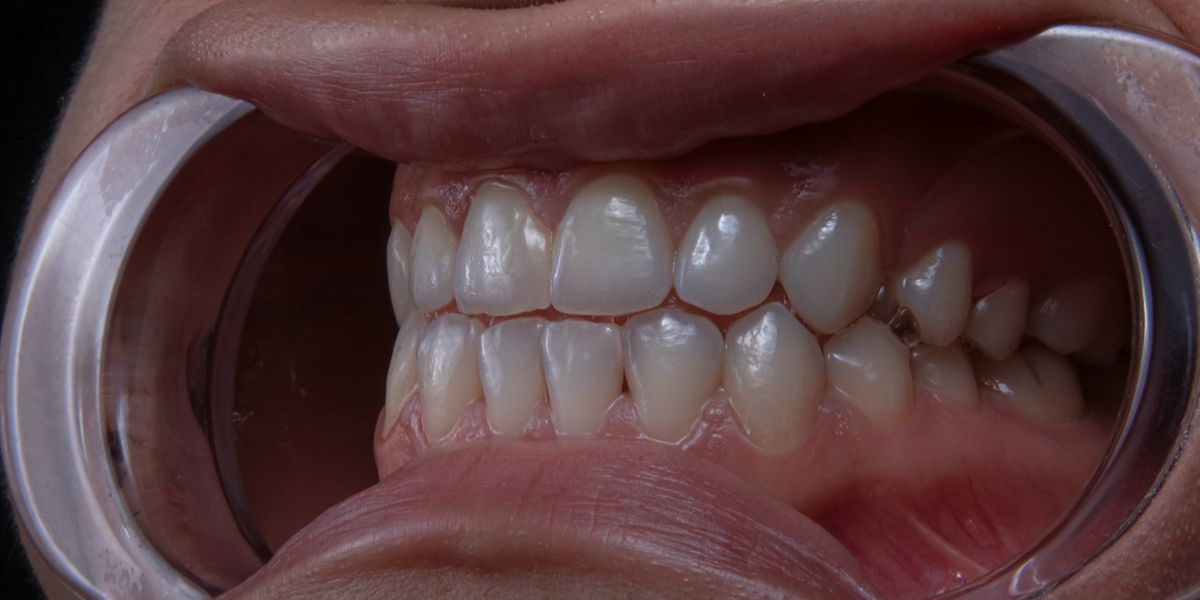
Enamel is the outermost layer covering each tooth – the hardest substance in your body, even harder than bone. It protects the softer dentin and sensitive pulp underneath from temperature changes, acids, and physical wear.
It’s important to know that enamel doesn’t regenerate. Once damaged, it’s gone forever. Without adequate enamel, you experience increased sensitivity, higher risk of cavities, and yellowing as the darker dentin shows through.
This is precisely why your concern about whitening is entirely reasonable. Any cosmetic treatment should preserve – never compromise – this vital protective layer.
How professional whitening actually works
Professional teeth whitening uses peroxide-based compounds (hydrogen peroxide or carbamide peroxide). Here’s what happens:
- The whitening gel is applied to your tooth surface. Peroxide molecules are small enough to pass through the porous enamel structure.
- Once inside the tooth, peroxide releases oxygen ions that break apart the chromophore molecules responsible for discolouration.
- These broken-down stain molecules become colourless or small enough to be washed away.
The critical point? The peroxide works on the stain molecules, not on the enamel structure itself. The enamel acts as a permeable gateway – allowing the whitening agent through without being chemically altered or eroded.
What scientific research tells us
Multiple peer-reviewed scientific studies have investigated whether peroxide-based whitening affects enamel. The findings are reassuring.
Clinical trials with human participants consistently show that whitening, when used according to professional guidelines, does not cause significant harm to enamel. Laboratory testing has found that whilst some whitening protocols cause slight temporary softening of enamel surface, this effect is reversible and returns to normal hardness within 24-48 hours.
Your enamel’s natural remineralisation process – where minerals from saliva redeposit into the enamel – helps reverse any minimal temporary effects within 24-48 hours after treatment.
Why professional whitening protects your enamel
The key difference between safe whitening and damaging whitening isn’t the whitening agent itself – it’s the context in which it’s used.
When you have your teeth whitened by GDC-registered dentists, multiple safeguards protect your enamel:
- Pre-treatment assessment examines enamel condition and identifies any concerns
- Protective barriers shield gums and soft tissue
- Professional-grade products use optimal strength – strong enough for results, safe enough for enamel
- Controlled timing prevents overexposure
- Professional monitoring throughout treatment
- Comprehensive aftercare guidance supports natural remineralisation.
Because professional treatment works so effectively in a single 60-minute session, your enamel’s total exposure to whitening agents is actually minimal. Compare this to at-home kits requiring daily application for 2-4 weeks – even with a weaker concentration, the cumulative exposure time is significantly longer.
When does whitening damage enamel?
While professional whitening is safe, certain circumstances can genuinely harm enamel:
Illegal whitening products
The British Dental Association has raised alarms about illegal products containing hydrogen peroxide concentrations exceeding 33% (over 50 times the legal limit). These can cause permanent enamel destruction, gum shrinkage, nerve damage, and even tooth loss.
Beauty salon “teeth whitening”
In the UK, it’s illegal for anyone other than GDC-registered dental professionals to perform teeth whitening. These operators can’t identify cavities, gum disease, or thin enamel, and often use unregulated products.
Overuse of at-home products
Even legitimate over-the-counter products can damage enamel when used more frequently than directed or combined with multiple whitening products simultaneously.
Whitening with pre-existing conditions
People with enamel erosion, exposed dentin, or active cavities shouldn’t whiten without dental supervision.
What to expect from normal effects vs damage
Understanding what’s normal helps you distinguish safe whitening from problems.
Normal temporary effects (not damage)
Mild sensitivity to hot or cold for 24-48 hours is common and indicates enamel pores are temporarily open. This resolves naturally during remineralisation. Teeth may feel slightly rough immediately after treatment, but this normalises within 24 hours as saliva remineralises the surface.
These effects are temporary, harmless, and expected – they don’t indicate damage.
Warning signs of actual damage
Conversely, these symptoms suggest something has gone wrong:
- Severe, persistent pain that worsens over days
- Visible white or brown spots on enamel
- Sensitivity that doesn’t improve after a week
- Gum recession or tissue damage
If you experience any of these, seek professional dental assessment immediately.
Protecting your enamel after whitening
The 48 hours following treatment are critical for enamel remineralisation:
- Avoid staining foods and drinks
- Wait 30 minutes before brushing to allow enamel pores to begin closing
- Use a soft-bristled brush and skip whitening toothpaste
- Drink water to support remineralisation.
Long-term, maintain your results and enamel health with regular dental hygienist visits, proper brushing technique, and limiting acidic foods and drinks.
More information: What to Eat After Teeth Whitening.
Avoid irreversible damage
Professional teeth whitening performed by qualified dentists using UK-approved products does not damage enamel. The science is clear: peroxide targets organic stain molecules, not the mineral structure of enamel. Brief exposure to professional-grade whitening, followed by natural remineralisation, produces no lasting structural changes.
At Harley Teeth Whitening, every treatment is performed by GDC-registered dentists who prioritise your safety alongside your results. We understand your concerns about enamel – that’s why we use only UK-approved products, apply precise protective measures, and provide comprehensive aftercare guidance.