
Which Foods Stain Teeth the Most? Complete Ranking Guide
Knowing which foods and drinks stain teeth the most is essential knowledge for anyone who cares about their smile. The truth is, some of your favourite daily staples are the worst offenders – and they might surprise you.
Understanding the staining trifecta
Before we dive into the rankings, it’s helpful to understand what makes certain foods and drinks such aggressive stainers. Three factors work together to discolour your teeth:
- Chromogens – Intensely pigmented compounds that stick to tooth enamel like dye to fabric
- Tannins – Bitter plant compounds that make chromogens adhere more effectively to teeth (found in tea, wine, and coffee)
- Acids – Substances that erode enamel, creating rough patches that stain more easily and allow chromogens to penetrate deeper
The worst staining foods typically contain all three of these factors. The simple test? If it can stain a white shirt or your tongue, it’ll stain your teeth.
The worst offenders (highest staining potential)
1. Black tea
Surprisingly, black tea is even more aggressive at staining teeth than coffee. It’s loaded with tannins – more than any other common beverage – which enhances the ability of chromogens to stick to enamel.
- Why it’s so bad: The combination of dark pigments, high tannin content, and acidic nature makes it a triple threat. Regular black tea drinkers often develop a persistent yellowish-brown stain.
- Damage level: 10/10
- The silver lining: Adding milk helps! Milk contains a protein that binds to tannins, reducing their staining power.
2. Red wine
The perfect storm of staining factors. Red wine contains chromogens, tannins, and acids all working together to turn your teeth purple initially, then gradually brown or greyish over time.
- Why it’s so bad: The deep pigmentation combined with high acidity erodes enamel whilst simultaneously depositing colour. Wine also has a tendency to linger in your mouth.
- Damage level: 10/10
- What about white wine? Bad news – whilst it won’t stain directly, white wine is actually more acidic than red, eroding enamel and making teeth more vulnerable to staining from other sources.

3. Coffee
Your morning cup of joy is also your teeth’s nemesis. Coffee is exceptionally high in chromogens, and because tooth enamel is porous, these pigments get absorbed into microscopic pores, causing yellowish discolouration.
- Why it’s so bad: Daily coffee drinkers are essentially bathing their teeth in staining compounds every morning. The cumulative effect over months and years is substantial.
- Damage level: 9/10
- Tip: Adding milk lightens the colour and dilutes the chromogens. Drinking through a straw helps too, though it’s less socially acceptable at your morning meeting!
You might like this guide: What to Eat After Teeth Whitening.
Serious staining threats (proceed with caution)
4. Cola and dark fizzy drinks
The combination of dark colouring, chromogens, and high acidity makes cola a particularly nasty staining agent. The phosphoric acid erodes enamel whilst the dark dyes settle in.
- Why it’s problematic: The carbonation and acids work together to weaken enamel, creating the perfect environment for staining. Even diet versions cause the same damage.
- Damage level: 8/10
- Note: Clear fizzy drinks aren’t innocent either – they’re still highly acidic and create vulnerable spots for other stains to settle.
5. Dark berries (blueberries, blackberries, cherries)
Nature’s antioxidant powerhouses are also aggressive teeth stainers. The intensely dark pigments in berries contain concentrated chromogens that readily stick to enamel.
- Why they stain: The deep blue and purple pigments are designed by nature to be vibrant and lasting – qualities that work against your teeth.
- Damage level: 8/10
- Health note: Don’t stop eating berries – they’re incredibly nutritious. Just rinse with water afterwards or eat hard cheese to neutralise the acid.
6. Curry and turmeric-based dishes
The deep yellow compound in turmeric (curcumin) is so powerful it’s used as a textile dye. That same staining power works on your teeth, creating yellowish-brown discolouration.
- Why it’s effective at staining: Turmeric’s pigments are specifically designed to be permanent and vibrant. Combined with other spices in curry, the staining effect is amplified.
- Damage level: 8/10
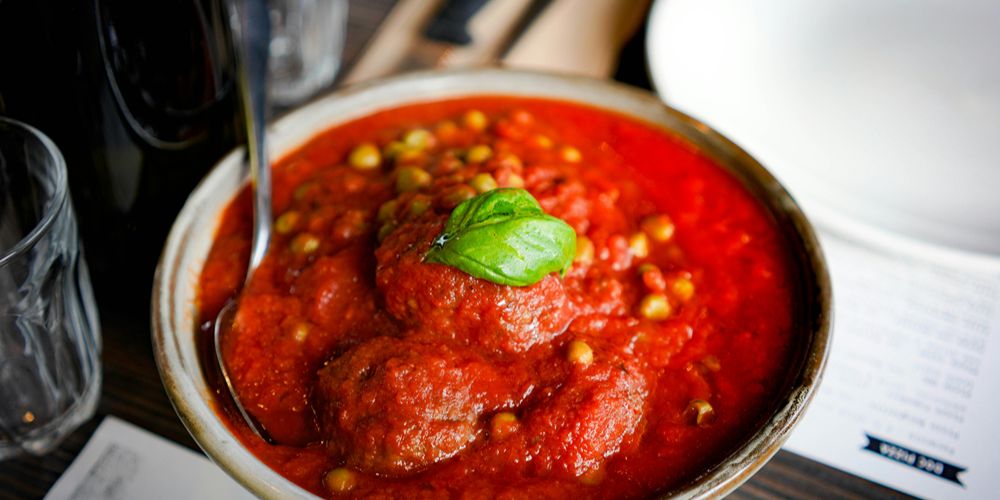
7. Tomato-based sauces
Pasta sauce, ketchup, salsa – all contain the double whammy of deep red pigments and high acidity. Tomatoes erode enamel whilst depositing red chromogens.
- Why it matters: The acidity opens up enamel pores, allowing the red pigments to penetrate more deeply than they otherwise would.
- Damage level: 7/10
- Strategy: Eat a starter of greens or broccoli before pasta—these create a protective film on teeth that reduces staining.
Moderate staining (be mindful)
8. Dark fruit juices (grape, cranberry, pomegranate)
Concentrated sources of both chromogens and acids. The sugar content is an added problem, as it feeds bacteria that can worsen staining.
- Why they’re problematic: You’re essentially drinking concentrated fruit pigments. The acidity level is often higher than in the whole fruit.
- Damage level: 7/10
- Alternative: Dilute juices with water or drink them through a straw.
9. Soy sauce and balsamic vinegar
Dark condiments that many people don’t consider, but these can cause significant staining when used regularly. The dark colour and acidic nature make them effective stainers.
- Why they affect teeth: They’re designed to be intensely flavoured and coloured, which means concentrated chromogens. They also linger on teeth.
- Damage level: 6/10
10. Beetroot
One of the most vibrantly pigmented vegetables, beetroot leaves behind a distinctive red-purple stain. It’s so effective at colouring that it’s used as a natural food dye.
- Why it stains: The betalain pigments are incredibly powerful and readily adhere to porous surfaces like tooth enamel.
- Damage level: 6/10
Lower-level staining (still worth noting)
11. Sports and energy drinks
The bright artificial colours combined with high acidity make these drinks damaging despite often being lighter in colour than cola. The acid erosion is the primary concern.
- Why they’re an issue: They’re designed to be consumed during activity when you’re less likely to rinse your mouth, allowing acids to work longer.
- Damage level: 6/10
12. Green tea
Less aggressive than black tea but still contains tannins and chromogens. Regular consumption can cause yellowish staining, though it takes longer than black tea.
- Why it’s better (but not perfect): Lower tannin content means less staining, but it’s not stain-free.
- Damage level: 5/10
13. Artificial food colouring
Brightly coloured sweets, ice lollies, and processed foods containing artificial dyes can stain teeth. If it turns your tongue blue, green, or red, it’s affecting your teeth too.
- Why it matters: These synthetic dyes are specifically designed to be vibrant and long-lasting.
- Damage level: 5/10
14. Carrots and sweet potatoes
Orange vegetables contain carotenoids which can cause yellowing with very heavy consumption. Most people won’t eat enough to cause significant staining.
- Why they’re low-risk: The pigments are less prone to sticking than those in berries or wine.
- Damage level: 3/10
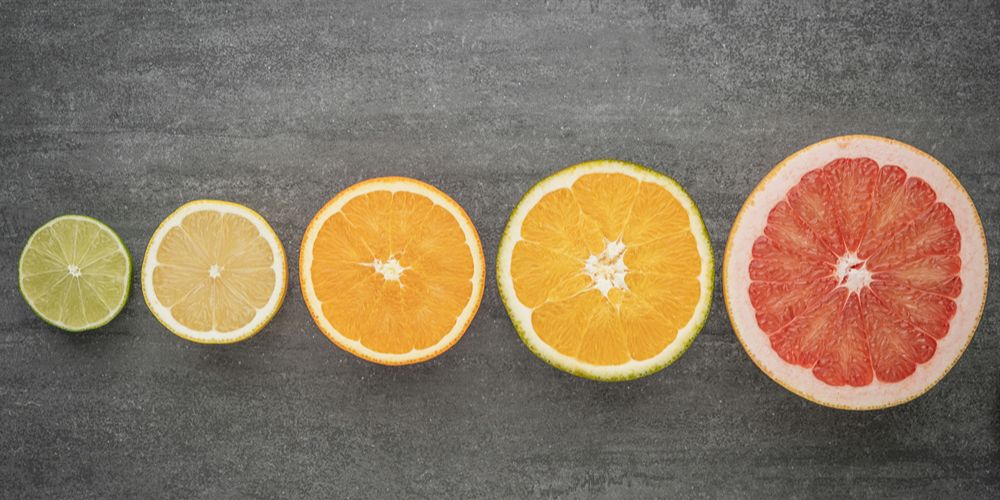
15. Citrus fruits
Whilst not heavily pigmented themselves, citrus fruits like oranges, lemons, and limes are highly acidic. They erode enamel, making teeth more susceptible to staining from other sources.
- Why they’re indirect culprits: They create the conditions for other stains to take hold more easily.
- Damage level: 3/10 (direct), but increases vulnerability to other stains
The tobacco trap
Tobacco deserves its own category. Smoking and chewing tobacco cause some of the most severe, persistent staining possible. The tar and nicotine create deep yellow and brown stains that penetrate enamel.
- Why it’s uniquely damaging: Tobacco doesn’t just stain – it damages gum tissue, reduces saliva production, and creates conditions for bacterial staining.
- Damage level: Off the charts (11/10)
- The only solution: Quit. No amount of whitening can keep up with active tobacco use.
How to enjoy staining foods without the consequences
You don’t have to eliminate all these foods from your diet. Here’s how to minimise the damage:
During consumption
- Use a straw for beverages (yes, even coffee and wine if you’re at home)
- Drink water alongside staining beverages to rinse between sips
- Avoid swishing drinks around your mouth
- Don’t sip slowly over extended periods—finish your drink in one sitting rather than nursing it for hours
After consumption
- Rinse with water immediately after eating or drinking staining foods
- Wait 30 minutes before brushing (acidic foods temporarily soften enamel)
- Chew sugar-free gum to stimulate saliva production
- Eat crunchy vegetables like celery or apples to naturally clean teeth
Long-term protection
- Add milk to tea and coffee to reduce tannin effectiveness
- Eat cheese after meals—it neutralises acid and helps remineralise enamel
- Maintain excellent oral hygiene with twice-daily brushing and flossing
- See your dental hygienist regularly for professional cleaning
- Consider touch-up whitening annually if you consume staining foods heavily.
The cumulative effect
It’s not just what you eat – it’s when and how often. A single cup of coffee won’t noticeably stain your teeth. But daily coffee, combined with regular tea, the occasional red wine, and tomato-based pasta twice a week? Over months and years, these habits create significant, visible discolouration.
The staining process is gradual:
- Week 1-4: Minimal visible change, but chromogens begin accumulating in enamel pores
- Months 2-6: Slight yellowing becomes noticeable, especially to you
- Year 1+: Staining becomes obvious to others, teeth appear several shades darker
This is why professional teeth whitening is so effective – it reverses months or years of accumulated staining in just 60 minutes.
Your smile deserves protection
Understanding which foods stain teeth is empowering. It means you can make conscious choices about when to indulge, how to minimise damage, and when to seek professional whitening to reverse accumulated staining.
Your teeth face a lot in daily life, but with the right knowledge and care, you can keep them bright and white for years to come.
Related guide: 3 Most Common Types Of Tooth Stain.