
What Is The Safest Teeth Whitening Procedure?
When it comes to brightening your smile, safety should always be your top priority.
With countless teeth whitening options flooding the market – from DIY kits and whitening strips to professional treatments – it’s easy to feel overwhelmed. But here’s the truth: not all whitening methods are created equal, and some can actually damage your teeth and gums.
So, what’s the safest way to achieve that dazzling smile you’ve been dreaming of?
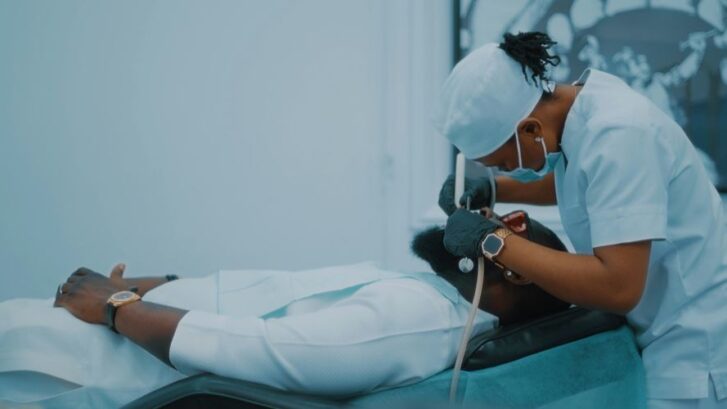
Professional teeth whitening will always be the safest option
In the UK, teeth whitening is regulated by law and must only be carried out by dental professionals registered with the General Dental Council. This isn’t just red tape – it’s about protecting your oral health.
Professional teeth whitening is safer because dental professionals are trained to use strong bleaching agents properly and can protect your teeth and gums during treatment. Before any whitening begins, a qualified dentist will:
- Examine your teeth and gums for any underlying issues
- Check for decay, broken teeth, or gum disease
- Assess whether you’re a suitable candidate for whitening
- Recommend the most appropriate treatment for your needs
This thorough assessment is crucial. Whitening teeth that have untreated decay or gum disease can lead to serious complications and discomfort.
The dangers lurking in DIY whitening kits
Walk into any high-street shop and you’ll find shelves stocked with teeth whitening products. They’re tempting – affordable, convenient, and promise Hollywood smiles. But here’s what you need to know:
Over-the-counter whitening kits in the UK are legally limited to containing no more than 0.1% hydrogen peroxide, which is significantly lower than the amount required to effectively whiten teeth. To put this in perspective, dentists can legally prescribe whitening treatments containing up to 6% hydrogen peroxide – 600 times more concentrated than shop-bought kits.
The real risks of unregulated products
The British Dental Association has raised serious concerns about whitening products sold online. Some kits have been seized for containing dangerously high levels of hydrogen peroxide (more than 33%!), which can lead to burning gums, gum recession, and nerve damage.
Even “safer” over-the-counter products come with risks:
- Enamel erosion: Abrasive ingredients can wear down your tooth’s protective outer layer.
- Uneven colouring: Without professional application, results can be patchy.
- Gum irritation: Ill-fitting trays or strips can cause the gel to leak onto sensitive gum tissue.
- Tooth sensitivity: Excessive use can damage nerves inside the teeth.
The overuse of teeth whitening kits can damage tooth enamel and potentially cause long-term oral health problems, with some cases requiring root canal treatment or even tooth extraction.
Comparing professional whitening methods
When you opt for professional whitening, you’ll typically encounter two main approaches: at-home whitening kits prescribed by your dentist, and in-clinic treatments.
At-home professional whitening
This involves custom-made trays that fit your teeth perfectly, along with professional-grade whitening gel. You’ll use these at home for a prescribed period – usually 10-14 days.
Advantages of at-home whitening:
- Highly effective with longer-lasting results
- Lower cost than in-clinic treatments
- Can “top up” your whitening as needed
- Gradual process allows you to control the shade
Considerations:
- Takes several weeks to see full results
- Requires commitment to wear trays daily
- Must be disciplined about following instructions
In-clinic laser whitening
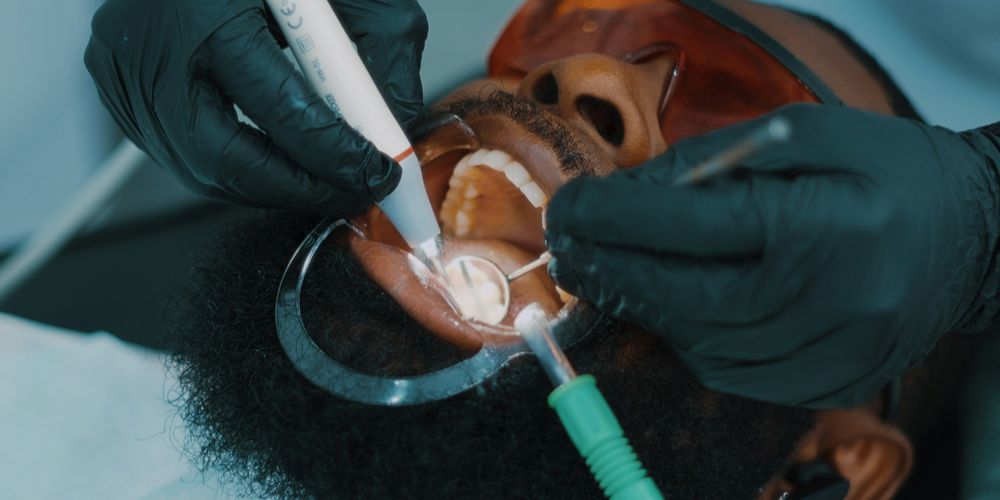
This is where modern technology truly shines. Laser teeth whitening at a dental surgery involves applying a whitening gel to the teeth, then shining a laser on them, which is faster and more effective than using gel alone.
Despite the name “laser” whitening, the treatment actually uses LED light, not a laser light. When carried out by a dentist, it is completely safe, as the LED light does not damage teeth in any way. The light acts as a catalyst, activating the whitening agents in the gel to accelerate the whitening process.
Why LED light whitening is particularly safe:
- Professional supervision throughout: A qualified dentist monitors the entire procedure, adjusting as needed.
- Protective measures: A soft shield or paste is used to protect gums during treatment, minimising the risk of irritation.
- Controlled application: The whitening agent is applied precisely to tooth surfaces only.
- Immediate results: The treatment is completed in 60 minutes, reducing overall exposure time to whitening agents.
- Optimal wavelength: Blue Spectrum LED light is proven to be the most effective wavelength to activate whitening molecules without overheating or damaging teeth.
What happens during a safe LED light whitening treatment?
At a reputable clinic, safety protocols are built into every step of the process:
Before treatment
- Comprehensive consultation: Your dentist assesses your current tooth shade and shows you likely results.
- Thorough cleaning: Teeth are cleaned to remove debris, ensuring the treatment is as effective as possible.
- Dental examination: Any oral health issues are identified and addressed.
During treatment
- Gum protection: A barrier is applied to protect your gums from the whitening gel.
- Precise application: The specially formulated whitening agent is carefully applied to your teeth.
- LED activation: Blue Spectrum LED light is distributed evenly across your teeth in 2-3 cycles of 15-20 minutes each.
- Professional monitoring: Your dentist remains present throughout the procedure.
After treatment
- Results verification: Your new shade is recorded and compared to your starting point.
- Aftercare guidance: You receive expert advice on maintaining your bright smile.
- Follow-up support: Professional assistance is available if you experience any sensitivity.
Managing side effects safely
Even with the safest procedures, some people may experience temporary side effects. The most common is tooth sensitivity to hot, cold, or sweet foods and drinks.
When performed by qualified professionals, laser teeth whitening is generally safe, though some patients may experience mild gum or soft tissue irritation that typically resolves within a few days.
The key difference with professional treatment is that these side effects are:
- Expected and discussed beforehand
- Monitored by a dental professional
- Temporary (usually resolving within 48 hours)
- Manageable with appropriate aftercare.
Remember what illegal whitening services to avoid
In the UK, it’s illegal for anyone who isn’t a qualified dentist to carry out teeth whitening work. Yet you’ll still find beauty salons, mobile whitening services, and even shopping centre kiosks offering cut-price treatments.
These unlicensed practitioners:
- Haven’t received proper dental training
- Cannot legally access professional-grade whitening products
- Can’t identify or treat underlying dental problems
- May use unsafe or illegal products
- Aren’t insured for dental procedures.
If something goes wrong, you have no recourse and may end up with permanent damage to your teeth and gums.
Safety always comes first
When it comes to teeth whitening, the safest procedure is one that’s:
✓ Performed by a GDC-registered dental professional
✓ Preceded by a thorough dental examination
✓ Uses professionally formulated products within legal limits
✓ Includes proper protective measures for gums and soft tissue
✓ Comes with aftercare support and guidance
LED light-activated whitening performed by qualified dentists offers an excellent balance of safety, effectiveness, and convenience. The treatment is clinically proven, delivers immediate results, and when carried out properly by trained professionals, carries minimal risk.
Rather than gambling with your oral health using unregulated DIY kits or illegal services, investing in professional whitening gives you peace of mind alongside a beautiful smile. Your teeth will thank you—and so will your confidence.
Looking for safe, professional teeth whitening in London? At Harley Teeth Whitening, all our treatments are carried out by fully qualified, GDC-registered dentists using cutting-edge LED light technology. Book your free consultation today and discover how we can help you achieve a brighter, whiter smile safely.