
Does Teeth Whitening Damage Your Teeth?
If you’re considering a professional teeth whitening treatment but worry about harming your enamel, you’re not alone.
It’s an entirely valid concern – after all, enamel doesn’t regenerate, so protecting your teeth is super important.
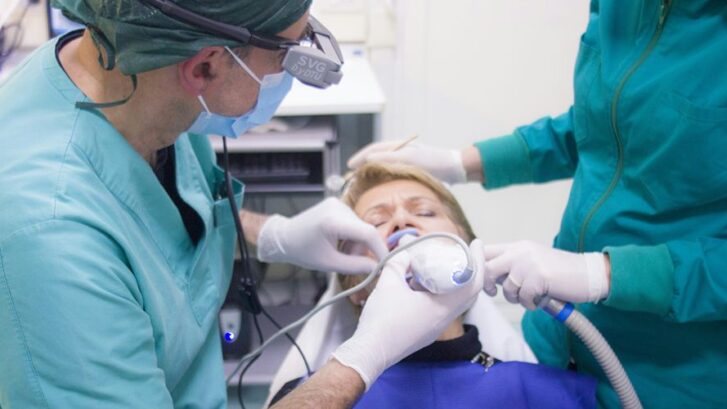
You’ll be pleased to know that professional teeth whitening does not damage your teeth when performed correctly by qualified dental professionals.
What is tooth enamel?
Before we dive into how whitening affects your teeth, let’s talk about what we’re protecting.
Tooth enamel is the hard, translucent outer layer of your teeth – and it’s actually the hardest substance in the human body. This protective shield safeguards your teeth from daily wear and tear, temperature changes, and the acids in your food and drink.
Here’s the crucial bit: unlike bone or skin, enamel cannot regenerate. Once it’s damaged, it’s gone for good. This is precisely why concerns about whitening causing enamel damage are so prevalent – and why it’s essential to understand the facts.
How professional teeth whitening works
To understand why professional teeth whitening is safe, you need to know how it actually works.
During a professional treatment, a specially formulated gel containing hydrogen peroxide or carbamide peroxide is applied to your teeth. When activated (often with LED light), these agents penetrate the enamel to reach the discoloured molecules in the layer beneath – your dentin. The whitening agents break down these stain molecules into smaller, colourless particles, making your teeth appear whiter and brighter.
The key point? The whitening agent targets stains within your tooth structure – it doesn’t strip away or erode your enamel.
What the research tells us
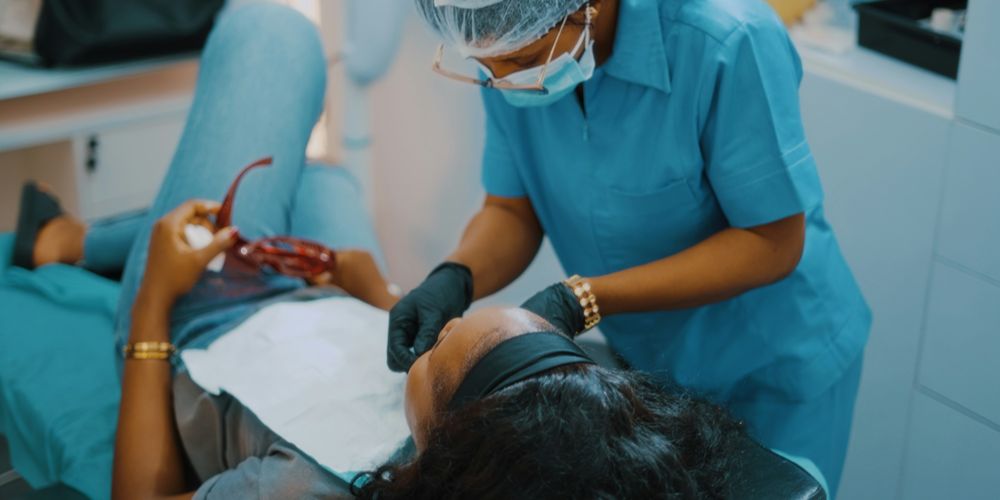
Multiple studies have confirmed that professional teeth whitening, when performed correctly with appropriate concentrations, does not damage tooth enamel. The whitening agents are specifically designed to oxidise stain molecules without compromising the structural integrity of your enamel.
Professional whitening is safe because:
- The enamel structure remains intact throughout the process
- The treatment is carefully calibrated to safe concentrations (up to 6% hydrogen peroxide in the UK)
- Dentists monitor the entire procedure
- Protective measures shield your gums and soft tissues
- The effects are temporary and reversible.
What actually damages teeth?
Here’s where things get concerning. While professional whitening is safe, certain whitening methods can cause serious, permanent damage to your teeth and gums.
Illegal whitening treatments
In the UK, it’s illegal for anyone other than a GDC-registered dental professional to perform teeth whitening. Anyone offering whitening in salons or mobile services is breaking the law – and putting your oral health at serious risk.
Dangerous DIY methods
The internet is full of “natural” teeth whitening remedies that promise sparkling results. Many of these can seriously damage your enamel:
- Lemon juice: Extremely acidic and erodes enamel, potentially causing permanent yellowing.
- Baking soda: Abrasive and can wear away enamel with repeated use.
- Apple cider vinegar: Highly acidic and can cause enamel erosion and tooth discolouration.
- Activated charcoal: Overly abrasive and may scratch enamel.
- Hydrogen peroxide at home: Without professional guidance, concentrations can be dangerous.
These methods might be “natural,” but they’re not safe. Enamel erosion is irreversible, and once you’ve damaged your teeth with DIY methods, professional dental intervention is needed to repair them.
Unsafe over-the-counter products
Over-the-counter whitening products sold in UK shops must contain no more than 0.1% hydrogen peroxide. While this makes them relatively safe from a chemical standpoint, they present other problems:
- They’re largely ineffective: The concentration is too low to produce meaningful whitening, leading people to overuse them.
- Ill-fitting trays: Generic trays don’t fit your teeth properly, causing gel to leak onto gums and into your mouth.
- Abrasive ingredients: Some products contain harsh abrasives that can wear down enamel.
- Overuse: Because results are minimal, people use them excessively, increasing the risk of enamel damage.
- Unregulated online products: The British Dental Association has reported seizing kits containing dangerous levels of hydrogen peroxide purchased online.
Temporary side effects vs. permanent damage
It’s important to distinguish between temporary side effects (which are normal and manageable) and permanent damage (which only occurs with improper treatment).
Normal, temporary side effects
- Tooth sensitivity: Some people experience temporary sensitivity to hot, cold, or sweet foods for 24-48 hours after treatment. This is not enamel damage – it’s due to temporary dehydration of the enamel, which resolves naturally.
- Gum tenderness: Mild gum irritation can occur but typically subsides within a few days.
- Slight dehydration: Teeth may feel slightly “chalky” immediately after treatment, but rehydrate quickly.
These are not signs of damage. They’re temporary responses that resolve on their own and don’t compromise your long-term dental health.
Warning signs of actual damage
If you experience any of these after whitening, seek immediate dental care:
- Severe, persistent pain lasting more than a few days
- Visible changes to tooth structure
- Gum recession or severe burns
- Teeth that appear translucent or glassy
- Extreme sensitivity that doesn’t improve
These symptoms suggest improper treatment or dangerous products and require professional intervention.

Who shouldn’t have teeth whitening?
Even professional whitening isn’t suitable for everyone. You should avoid whitening if you have:
- Thin or damaged enamel
- Untreated cavities or tooth decay
- Severe gum disease
- Exposed tooth roots
- Extremely sensitive teeth
- Dental restorations on visible teeth (crowns, veneers won’t whiten)
Additionally, whitening isn’t recommended for:
- Anyone under 18 years old
- Pregnant or breastfeeding women
- People with epilepsy
- Cancer patients undergoing treatment
A professional consultation will determine whether whitening is appropriate for your specific dental health.
Your smile deserves professional care
Professional teeth whitening has helped millions of people achieve brighter, more confident smiles without compromising their dental health. The treatment is backed by extensive research, regulated by law, and performed by trained dental professionals who prioritise your safety above all else.
Your enamel is irreplaceable. Protect it by choosing professional, safe teeth whitening every time.
Ready for a brighter smile without compromising your dental health? At Harley Teeth Whitening, all treatments are performed by fully qualified, GDC-registered dentists using safe, regulated products. Book your free consultation today and discover how we can safely transform your smile in just 60 minutes.